

Stay in the know
Check out our AdLibbing blog, view our latest press releases, and sign up for our newsletters to keep up on all the latest industry news.
Adlibbing Articles

A Deep Dive Into Our New Mental Health Initiative
According to a recent Ad Council study, 49% of Americans 16 to 65 years old say they have a mental health condition, and of that group, only 48% are getting help or treatment.
In response, The Ad Council has launched a $65 mil mental health initiative in partnership with Huntsman Mental Health Institute.
In response, The Ad Council has launched a $65 mil mental health initiative in partnership with Huntsman Mental Health Institute.
November 18, 2022
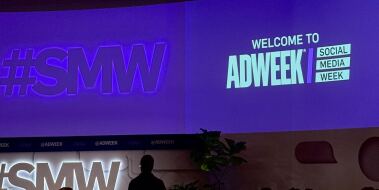
The 7 Most Talked-About Moments from Social Media Week
In the ever-evolving social media landscape, staying ahead of the curve isn't just a goal—it's a necessity. From social media managers leading day-to-day operations to CMOs directing marketing strategy, brands understand that to stay relevant they must make an investment in social. And events like AdWeek’s Social Media Week are crucial for keeping brands at the forefront of industry trends and innovations.
April 18, 2024

Champion for Good: Mike Durham
Peachjar is a platform that is revolutionizing the way students access community resources and important initiatives. Through their partnership with the Ad Council, Peachjar has extended the reach and impact of campaigns, providing parents and students with valuable information on a variety of topics. We had the opportunity to chat with Peachjar’s CEO and Founder Mike Durham to learn about the importance of accessible student resources, his focus on students’ mental health and emotional-wellbeing, and insights on how to beat a chess master.
April 15, 2024

Gun Violence Is Now a Public Health Crisis
At the Ad Council, we always say we can’t possibly pick a favorite campaign—just like we can’t pick a favorite child. But sometimes an issue just gets inside you. You see that statistic, you see that headline, and your reaction isn’t just intellectual. It’s not even just emotional. It’s visceral. You feel it twisting in your gut. And as a mother, you feel it in your heart.
March 19, 2024

The Impact of Trusted Messengers on Marketing Strategies
In a post-COVID world, the creator economy is a reinvigorated space. Traditionally, messaging around sensitive topics like mental health, public health and gun safety were shared out by health organizations, government agencies or other trusted institutions. Today, influencers play a vital role in sharing important messages and driving meaningful change—reshaping how marketers partner with trusted messengers to address key social issues. Now more than ever, nano to celebrity influencers play a pivotal role in shaping online conversations and creating impact.
March 13, 2024

The Magic of Leading with Purpose: A HOW Conversation about Leadership with Lisa Sherman and Dov Seidman
We are in a time where unprecedented forces are reshaping our world faster than we can adapt our institutions, leadership and even ourselves. In recent years, we have faced challenges on all sides—a global pandemic causing suffering, death and economic destabilization; a reimagined workplace; technological advances that challenge human dignity and autonomy; a war in Ukraine and Israel that has shaken international alliances; and the rise of autocratic leaders across the globe.
February 5, 2024

Tech Trends with a Purpose: Key Takeaways from CES for Marketers and Social Impact Leaders
As the vice president of emerging media & technology at the Ad Council, I always look forward to attending CES, the most influential tech conference in the world—attracting over 3,000 exhibitors and 130,000 attendees, all showcasing breakthrough technologies that will shape our future. I love to learn how technology innovations are not only shaping the marketing industry, but most importantly solving the biggest challenges in our world today. Below are some of my key takeaways from 2024.
January 17, 2024

Stories from Detroit: How JPMorgan Chase Showcased a City’s Remarkable Comeback
“Detroit’s story is one of the greatest comebacks of all time,” says Jamie Dimon, Chairman and CEO of JPMorgan Chase. “Having served the city for more than 90 years, especially after it filed the largest municipal bankruptcy in U.S. history, we’re proud to share the successes and stories of Detroiters who helped make it happen.”
December 4, 2023

Centering Women Veterans in ‘Don’t Wait. Reach Out.’ Campaign
Veterans, whether they've recently left the military or served decades ago, have unique experiences and needs as they adjust to civilian life. They may struggle with challenges related to their service or face common stressors like physical or mental health challenges.
November 20, 2023
News & Press Releases

Ad Council Launches Inaugural Career Accelerator Program in Partnership with HBCUs
The “Emerging Leaders Fellowship Program” prepares and empowers historically excluded groups for careers in advertising and marketing.
October 14, 2022

Ad Council, AMA, and CDC Urge Flu Vaccinations with “Get My Flu Shot” Campaign
PSAs highlight how getting an annual flu shot is the best way to reduce your risk from flu and its potentially serious complications, protect your loved ones, and enjoy the holiday season
October 12, 2022

Empowered by their role as “America’s Future,” 59% of young voters plan to vote in the midterm elections to protect their rights – while 21% are unsure whether or not they will vote
The new national study from Paramount Media Networks & MTV Entertainment Studios and the Ad Council Research Institute provides organizations with tools to motivate voter turnout
Abortion rights is the top issue among young people, followed by women’s rights, healthcare and the economy
October 4, 2022

Coalition of Nearly 50 Organizations Launches ‘Tear the Paper Ceiling’ Campaign to Raise Awareness Around the 70+ Million Workers in the U.S. Skilled Through Alternative Routes (STARs)
Nonprofits the Ad Council and Opportunity@Work lead landmark partnership of employers, talent developers and nonprofits on behalf of the majority of U.S. workers without a bachelor’s degree
October 3, 2022
LEARN MORE WITH US
Get valuable marketing tips and insights from creative people who solve problems together.